Written by Sien Deroo (UGhent).
Due to climate change, ensuring coastal safety is becoming a pressing issue for many coastal communities. Through research on Dune-Dike hybrid Nature-based solutions (NbS), DuneFront aims to strengthen the coastal protection. However, an important challenge when integrating these Dune-Dike hybrids into the coastal infrastructure is to take into account the multifunctionality of the coastline. Besides mitigating flood risks, the coastline in urban areas also serves its purpose in tourism and recreation. Therefore, to come to an effective implementation of Dune-Dike hybrid NbS, it is important to create social support by involving different stakeholders.
Creating social support
An important group of stakeholders are the coastal residents. Informing them about the vulnerability of our coastline under the changing climate creates a sense of urgency which forms a solid foundation to open up the conversation about solutions. To further mainstream dunes into our coastal infrastructure, a key role is laid out for scientific outreach. By explaining the functioning of Dune-Dike hybrid NbS and by pointing to the multiple benefits of dunes, we do not only create awareness but also enthusiasm in the coastal communities.
Outreach to the residents of Ostend, Belgium
This video series was made with the purpose of reaching out to the coastal residents of Ostend (Belgium). Here, a Dune-by-Dike pilot project and the demonstrator site “Living Lab Raversijde” are situated, which creates relevance for outreach activities. The videos were presented at the Flanders Marine Institute (VLIZ) and Ghent University on the Day of Science, the public outreach day of Belgian research institutes.
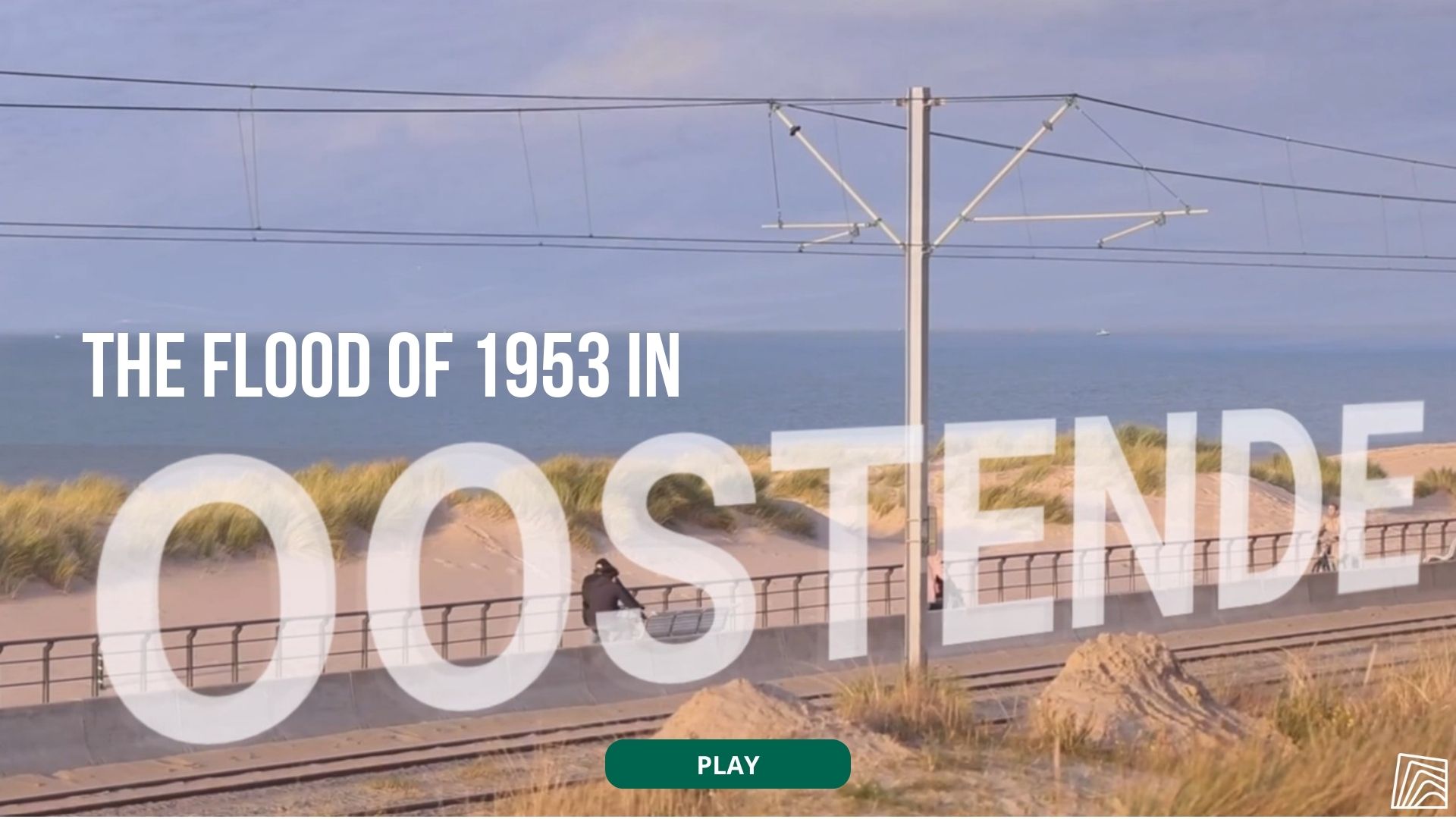
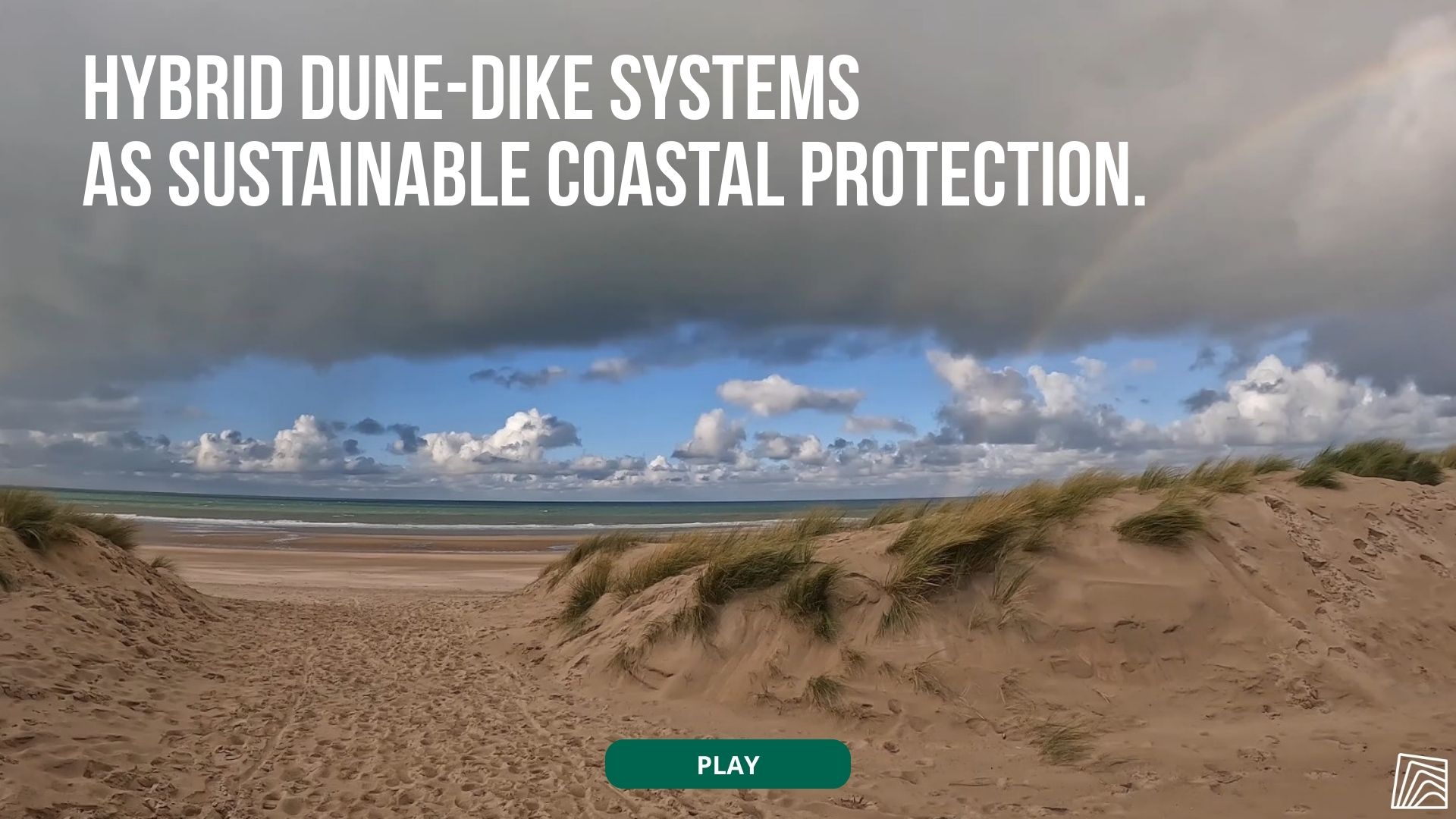
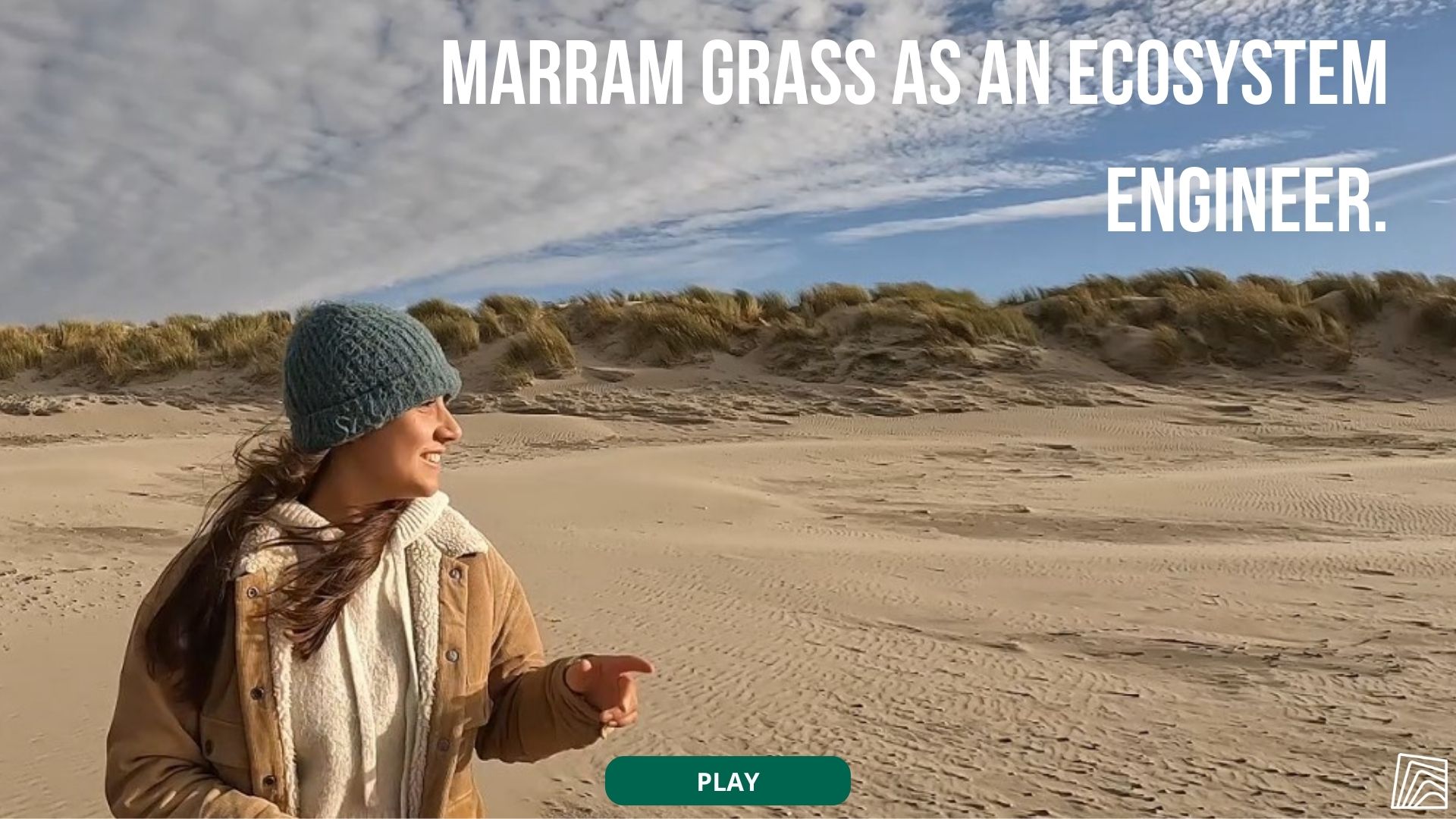
By coupling past natural disasters and present coastal protection with a future perspective, these videos aim to create social support to further implement Dune-Dike hybrid NbS. The first video centres around the North Sea Flood of 1953, one of the most devastating natural disasters in the recent history of the Belgian coast. Although this storm set ashore more than 70 years ago, this event is embedded in the collective memory of the community. Referencing to this natural disaster makes the future challenges under climate change more tangible, which aids in creating a sense of urgency. The second video shows how Dune-Dike hybrid NbS form a sustainable, complementary and necessary addition to the current coastal protection. Finally the spotlight is given to the ecosystem engineers, with a focus on Marram grass, to point to the resilience of dunes. Together these last two videos highlight the benefits of Dune-Dike hybrid NbS to get coastal residents on board with their implementation.
The series of videos are part of a project within the Excellence Programme in Sciences at Ghent University. Mentored by Dries Bonte and Charlotte Taelman, and conducted by Sien Deroo, this project explores the impact of storms on the dunes and focuses on the plant-sand interactions of Marram grass in Dune-Dike hybrid NbS.
Sien's video's are available below:
All rights reserved to Sien Deroo (UGhent).