By Coco Koedooder (VLIZ).
Research only makes the biggest difference when it can be put into practice. For DuneFront, that means bringing the people who shape, use and are affected by coastal solutions into the conversation.
Through stakeholder engagement, DuneFront connects scientists, coastal managers, engineers, ecologists and communities to help turn research into practical tools for hybrid Dune-Dike Nature-Based Solutions. As the project moves towards its final year, the focus is now shifting from building knowledge to making that knowledge useful and lasting.
Stakeholder engagement in DuneFront
“Stakeholder engagement” is a term you often hear in research and innovation projects, but few know what it actually entails. Simply put, it means identifying and involving the people who can shape a project or will be affected by its results to help ensure that the research responds to their needs and concerns. When applied too broadly, however, it risks becoming a general label rather than a meaningful process.
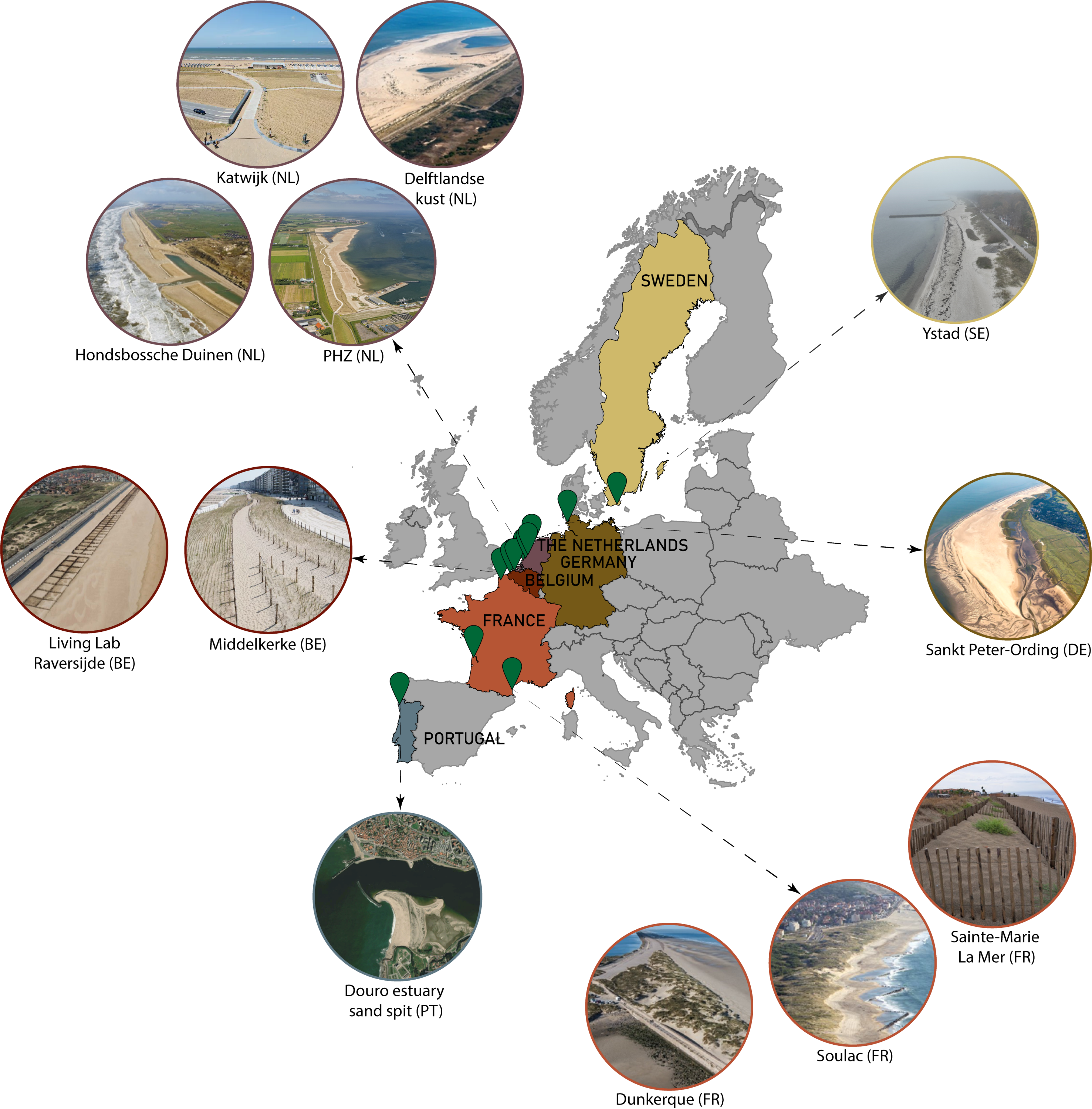
Stakeholder engagement in DuneFront involved two connected phases. Early in the project, the focus was largely towards maintaining an overview of the different project activities taking place and understanding how the emerging knowledge collected across the 12 Demonstrator sites was interlinked. As DuneFront approaches its final year, the focus is now shifting towards connecting and translating that acquired knowledge into useful and lasting results such as visual tools that can help coastal managers take these findings into consideration and implementation of DD-hybrid NbS.
Putting stakeholder engagement into practice
Effective engagement starts by identifying the people and institutions whose knowledge and experience help shape a project. Their involvement helps to ensure that the project responds to concrete needs and concerns. Coastal managers, engineers, ecologists and local residents can all bring different knowledge and perspectives to the table.
Engagement takes place at different stages and in different ways, ranging from sharing information and requesting feedback to direct collaboration and co-creation. It is therefore important to identify the relevant people early in a project and determine when and how they should be involved. The process should match its purpose and give participants sufficient time and space to influence the result.
Communication must also be adapted to the intended audience and local conditions. The same technical information may need to be explained or visualised differently: a coastal engineer may need specific technical details around future storm scenarios best visualized through a model, while an EU policymaker requires a broader overview of where DD-hybrid NbS can be implemented across the EU using a clear and visual map.
Why stakeholder engagement matters for DuneFront
Stakeholder engagement is particularly relevant in the support of Dune-Dike hybrid Nature-Based Solutions (DD-hybrid NbS), which brings together engineered coastal structures with dynamic natural dune systems. Their design, implementation, and management requires knowledge and understanding from multiple different actors in a manner that is very different from conventional coastal protection systems that rely on static and largely single-purpose structures such as a dike or a groyne.
DD-hybrid NbS develop and change across space and over time and can serve several purposes, from protecting the coast to supporting biodiversity and recreation. For a coastal manager, knowledge from different fields therefore needs to be brought together to show how the system’s benefits and trade-offs may change over time and how it compares with conventional options. This translation is not one-way. Scientists also need to understand how coastal authorities, industry and communities make decisions: what matters most to them, what evidence they need in what format, and what practical limits they face. Stakeholder engagement enables this exchange. It helps research respond to the needs of the people who will use it, while helping them understand how these changing, multifunctional systems can be planned and managed. Ultimately, DD-hybrid NbS can only be put into practice if everyone involved develops a shared understanding of what is needed.
From scientific development to practical use
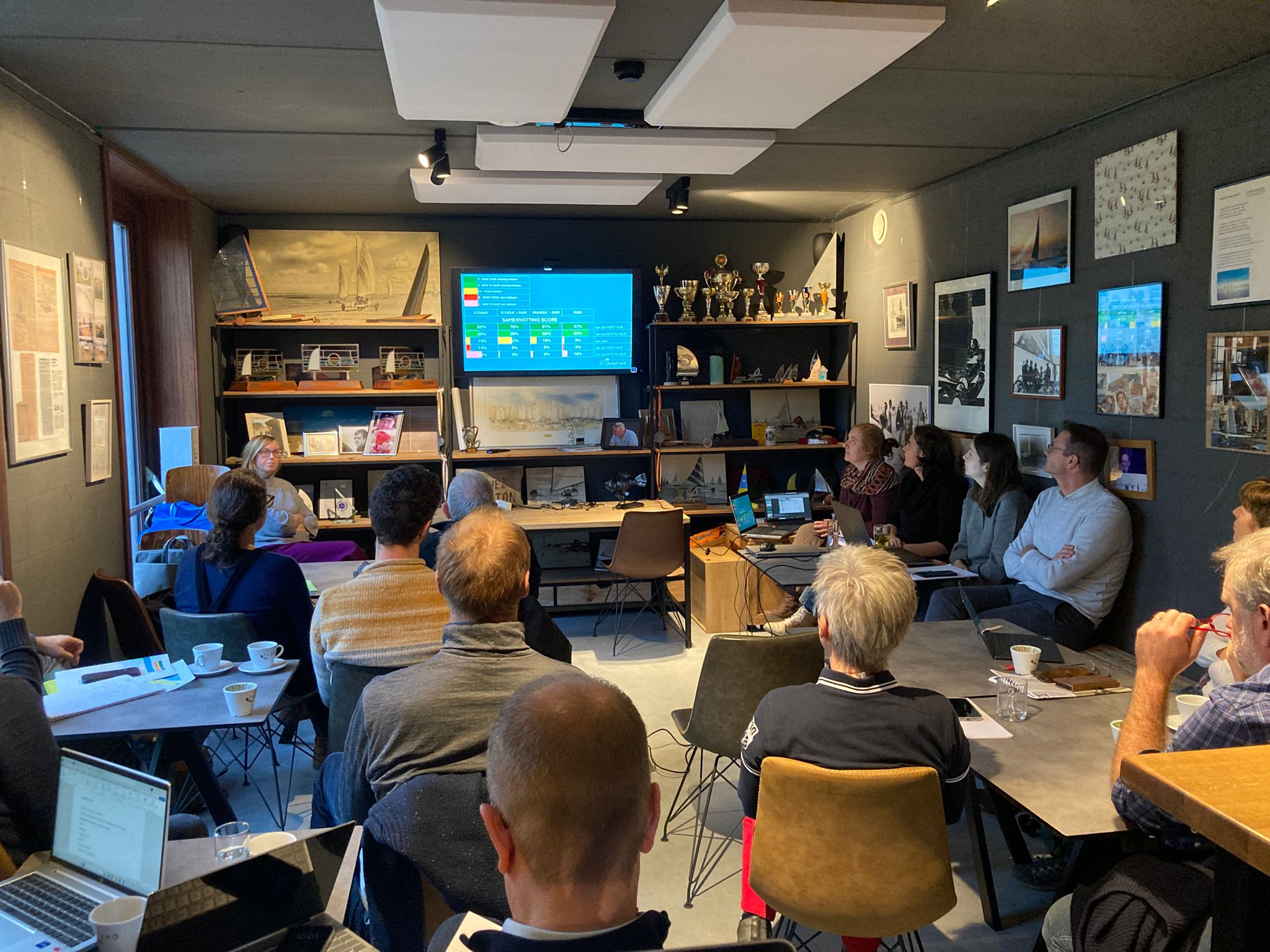
DuneFront’s Predictive Digital Twin (PDT) provides a concrete example. It brings together models and observations of coastal dune and beach systems, helping coastal managers anticipate how coastlines and DD-hybrid NbS may change under different conditions and over time. Involving coastal managers early in its development helps ensure that the PDT provides relevant information in a format that can support practical choices.
The PDT can be shaped around the needs of different users. A coastal manager may want to know what could happen during an extreme storm and where action may be needed. Citizens may instead want clear visualisations of how their local coast could change under different storm conditions. Identifying these users early helps determine what the PDT should show and how its information should be presented. In this manner coastal managers were consulted from the Interreg project MANABAS through several workshops to obtain input around the design of the PDT.
DuneFront is further exploring how the PDT could connect with EDITO, the European Digital Twin Ocean platform. It brings ocean data and models together under a single platform so that these digital twins can be further developed and shared. This could extend the use of the PDT beyond the 12 Demonstrator Sites and after DuneFront ends, supporting its contribution to the EU Mission Restore our Ocean and Waters.
Connecting projects and coordinating engagement
Finally, DuneFront is part of a larger network of local, regional and international projects working to put Nature-based Solutions into practice. By connecting with similar initiatives, teams can share what they are learning, reach new audiences and build wider support for these approaches. Amongst many others, DuneFront connects with other DD-hybrid NbS projects and the wider European Nature-based Solutions community including NetworkNature, TRANSEATION, REST-COAST and CORRAL. It also exchanges experience with coastal managers involved in MANABAS COAST and RESIRIVER, with dune ecologists working in LIFE DUNIAS, and coastal engineers through the NCK network.
Building solutions together
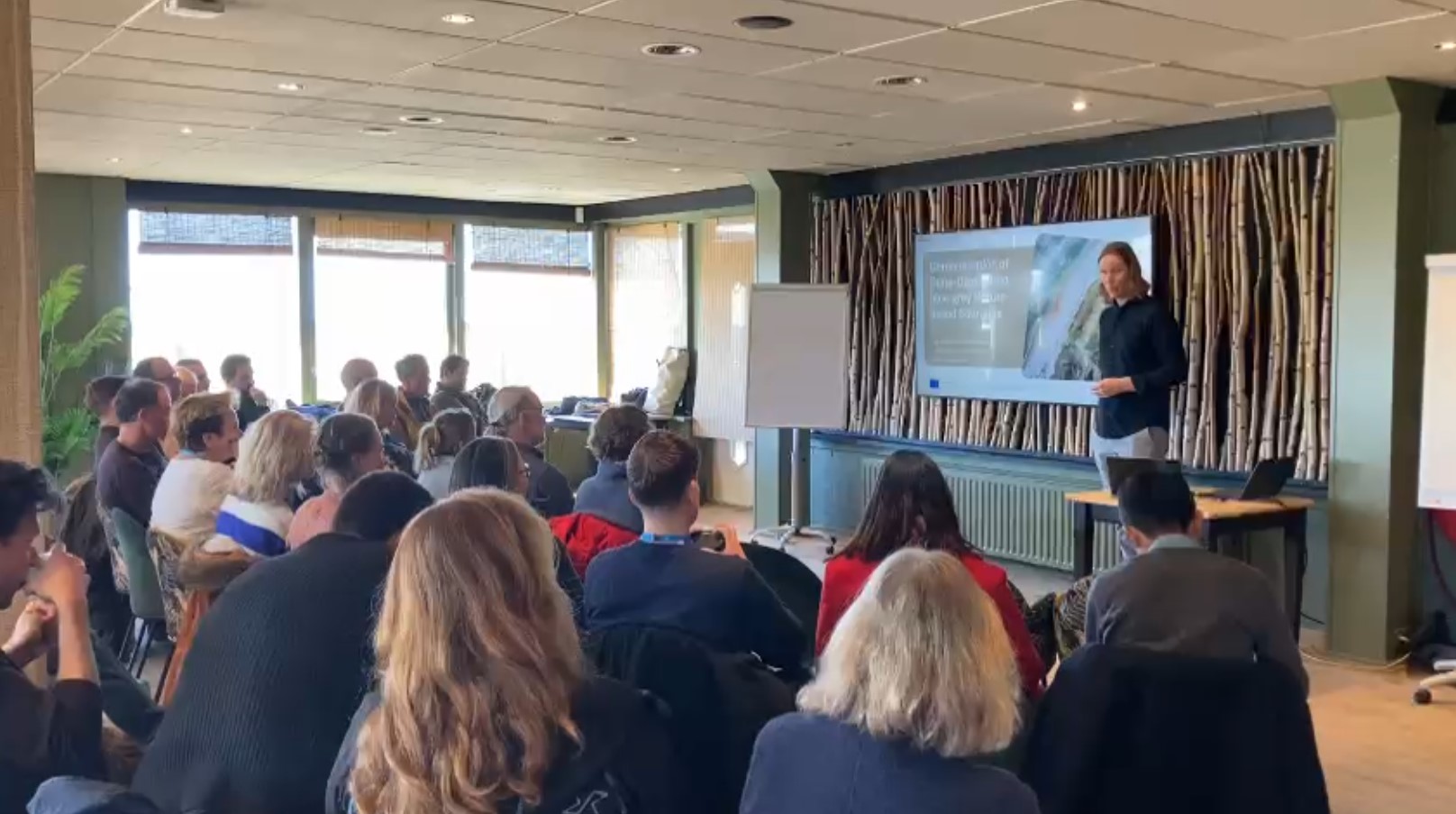
Ultimately, stakeholder engagement is about more than sharing research. It is about building a shared understanding of what works, for whom and in what context. By connecting knowledge, experience and practical needs, DuneFront is helping ensure that its research can move beyond the project and support the wider uptake of DD-hybrid NbS. The goal is simple: turn knowledge into action, together.