By Dominique Jauquet (MDK).
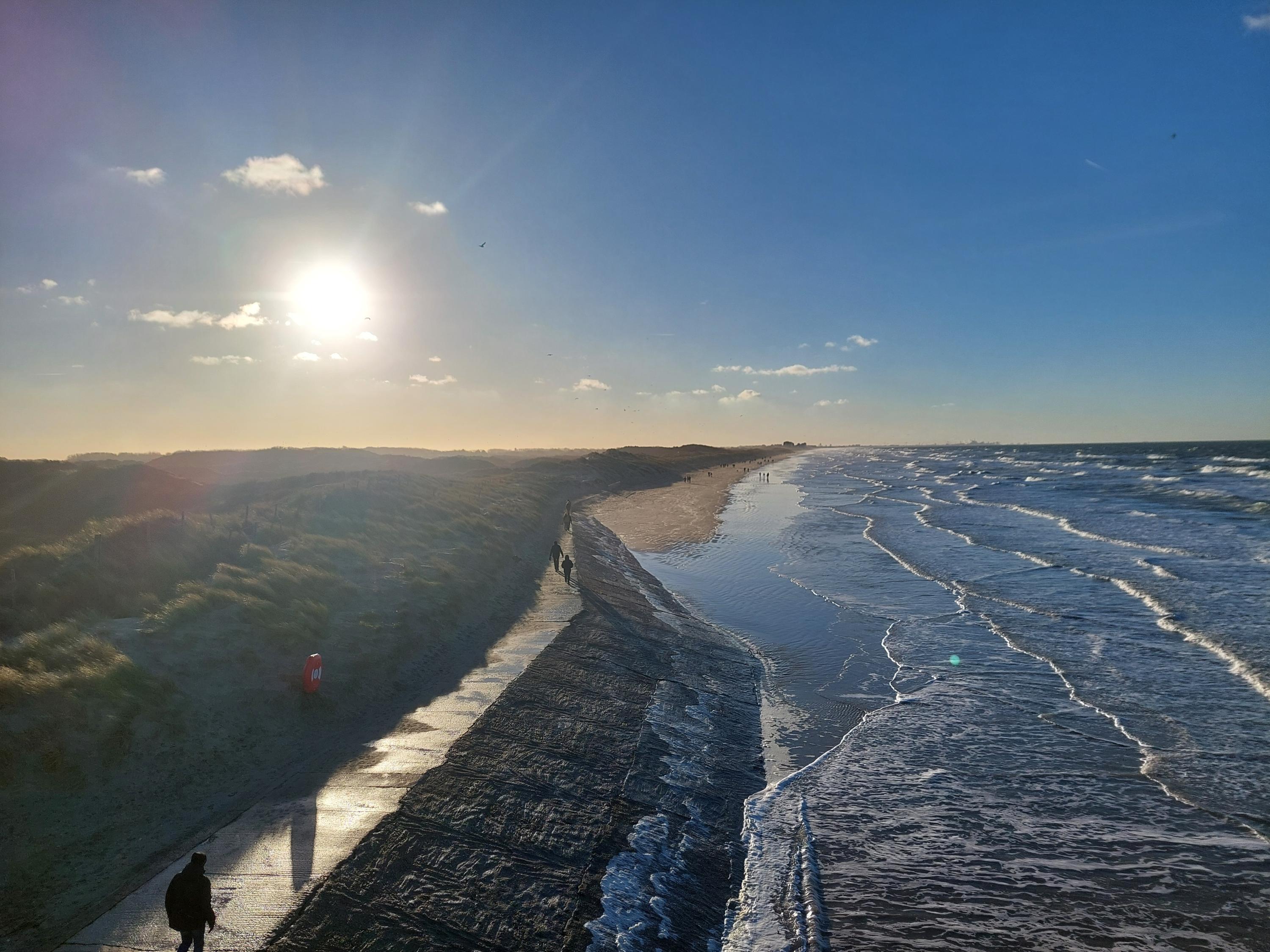
In autumn 2026, construction work will begin in Belgium on a DuneFront pilot site (De Panne) focused on climate-resilient coastal protection. Coordinated by Ghent University and implemented by the Agency for Maritime and Coastal Services (MDK), the Dunefront project investigates here how aging, hard seawall infrastructure can be transformed into a dynamic "Eco-dike." The project site is located on the western section of the Belgian coast, specifically between the Leopold I Monument and the Westerpunt architectural viewpoint in De Panne. Part of the Horizon Europe programme, the project brings together scientists, government bodies, and local market players.
Co-creative roots
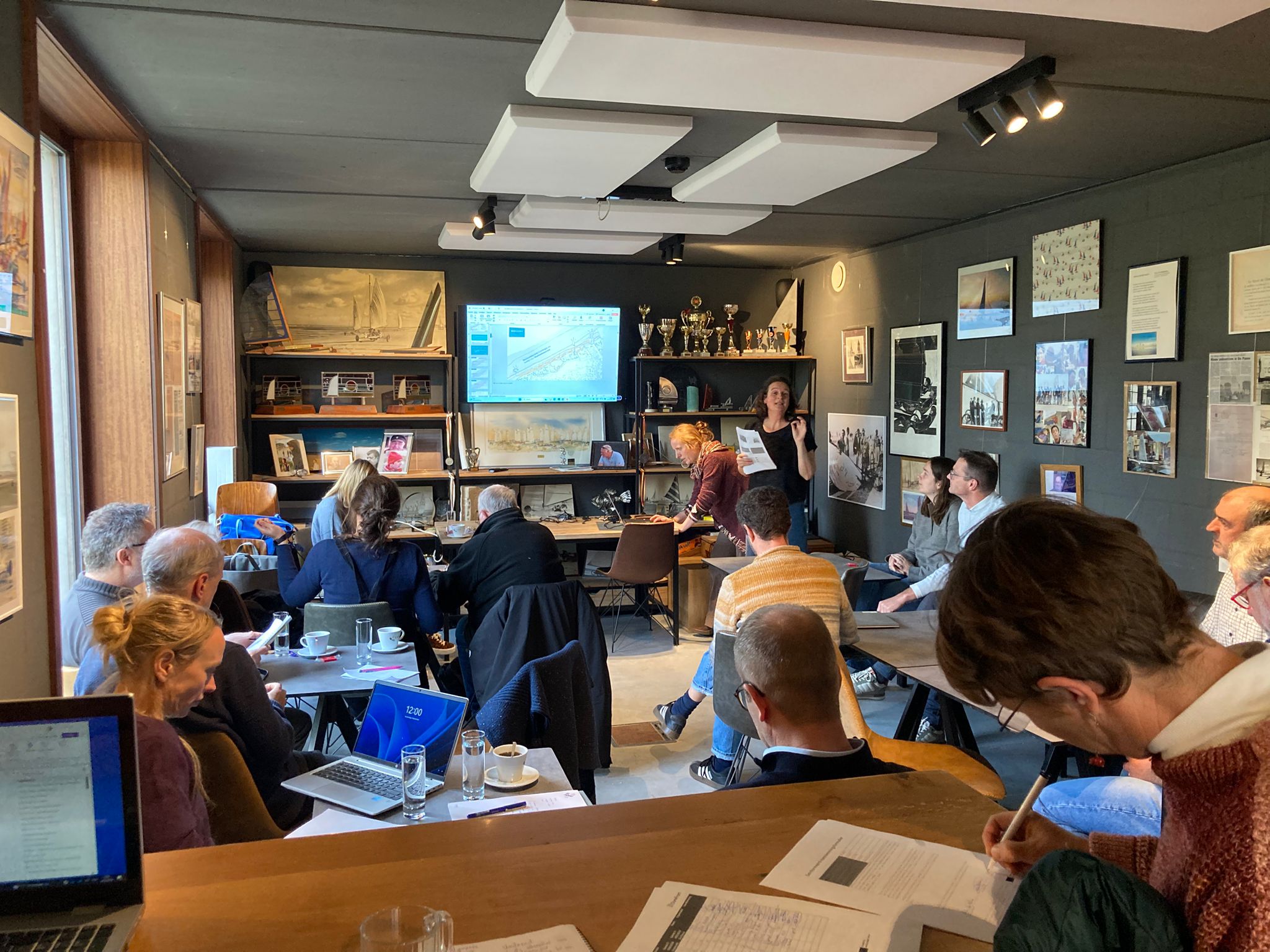
At the heart of this demonstration project lies an intensive collaborative process initiated by MDK involving various stakeholders. Representatives from the public sector, nature conservation organizations, and recreational associations contributed to developing a widely supported vision for the project area's future. Brainstorming sessions and workshops also addressed how this vision aligns with the 'Kustvisie' (Coastal Vision) strategic policy plan, which aims for a 'soft and sandy' future landscape to protect the coast against rising sea levels.
Currently, the dunes in the project area are protected by a low concrete seawall, known as "dune-foot protection." While this structure has prevented dune erosion for decades, it is now aging and presents ecological limitations. The DuneFront co-creation process explored ways to make future coastal protection more ecologically sound while also considering recreational needs.
Although a fully sandy design (the 'Dune' scenario) might be ecologically preferable, morphodynamic realities and the requirements of nearby residential areas indicated that a hybrid dune-seawall structure would be a suitable alternative. As a direct result of the co-creation process, it was decided to implement the pilot project as a hybrid 'Eco-dike' in the western zone: the existing dune-foot protection will be removed along a 160-meter stretch and replaced with a seawall revetment that offers opportunities for ecological development.
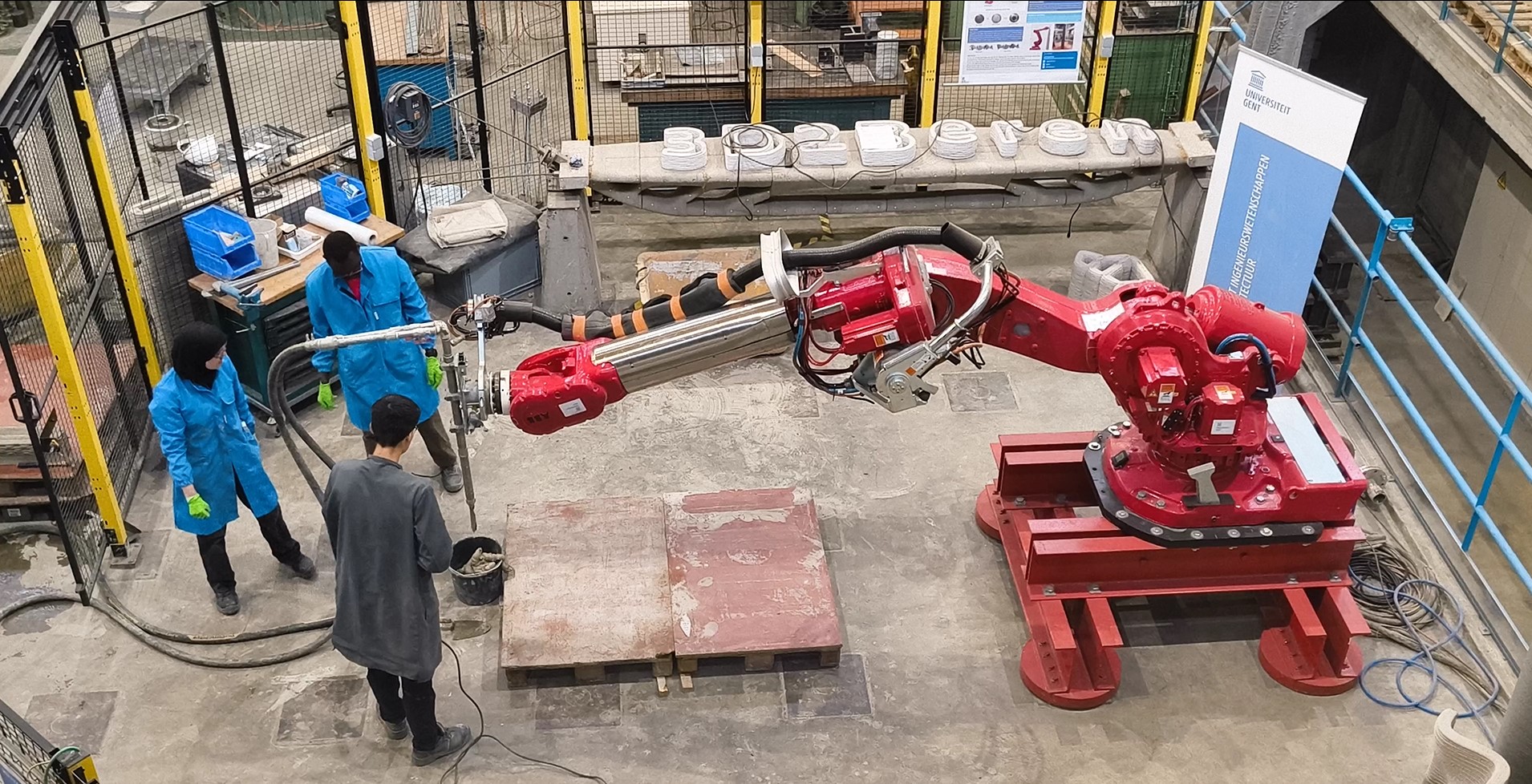
The section will be divided into four test zones (ranging from 38 to 40 meters in length) to monitor the technical feasibility and ecological impact of various types of revetment. For one of these sections, Ghent University will 3D-print an innovative, eco-friendly concrete revetment block.
The tendering process for the construction of the Ecodijk is currently being finalized. The Eco-dike is expected to be completed in the course of 2027, after which MDK and UGent will be able to monitor its ecological impact over an extended period. Based on monitoring results and on-site experience, MDK will shape the future vision for the project area.